

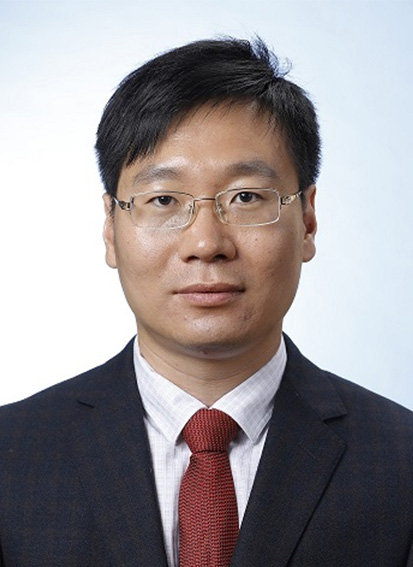
边桂彬,研究员、博士生导师,国家杰出青年科学基金获得者。担任科技部十四五“基础科研条件与重大科学仪器设备研发”、“智能机器人”专项专家组成员、中国科学院青年创新促进会第六届理事长、国家公共服务机器人标准化工作组专家委员和IEEE神经机器人系统技术委员会委员,入选国家级青年人才、中科院青促会优秀会员、北京市杰青和北京市科技新星。
Dr. Guibin Bian is a Researcher and Ph.D. Supervisor, and a recipient of the National Science Fund for Distinguished Young Scholars. He serves as a member of the Ministry of Science and Technology’s 14th Five-Year Plan Expert Groups on “Basic Research Infrastructure and Major Scientific Instruments Development” and “Intelligent Robots,” the 6th President of the Youth Innovation Promotion Association of the Chinese Academy of Sciences (CAS), an expert member of the National Public Service Robot Standardization Working Group, and a member of the IEEE Technical Committee on Neuro-Robotic Systems. He has been recognized as a National-Level Young Talent, an Outstanding Member of the CAS Youth Innovation Promotion Association, a Beijing Distinguished Young Scientist, and a Beijing Science and Technology Rising Star.
边桂彬,2011年在北京理工大学取得博士学位,后到中科院自动化所工作至今,2018年起任研究员。研究方向为智能手术机器人。作为项目负责人,主持国家重点研发计划项目、基金委国家重大科研仪器研制项目和中科院创新交叉团队项目。发表SCI论文80余篇,获国际会议论文奖6项,入选ESI高被引论文2篇。获授权国内外发明专利54项,参与起草国家标准1项。以第一完成人获中国仪器仪表学会技术发明奖一等奖,获团中央中青报“强国青年科学家”提名奖。担任科技部十四五“基础科研条件与重大科学仪器设备研发”、“智能机器人”专项专家组成员、中国科学院青年创新促进会第六届理事长、国家公共服务机器人标准化工作组专家委员和IEEE神经机器人系统技术委员会委员,入选国家级青年人才、中科院青促会优秀会员、北京市杰青和北京市科技新星。
Dr. Guibin Bian obtained his Ph.D. from Beijing Institute of Technology in 2011 and has been working at the Institute of Automation, Chinese Academy of Sciences (CAS) since then, serving as Researcher since 2018. His research focuses on intelligent surgical robots. As a project leader, he has led National Key R&D Program projects, NSFC Major Scientific Instrument Development projects, and CAS Innovative Interdisciplinary Team projects. He has published over 80 SCI papers, received six international conference paper awards, and has two ESI highly cited papers. Dr. Bian holds 54 authorized domestic and international invention patents and has participated in drafting one national standard. As the first principal contributor, he received the First-Class Technical Invention Award from the Chinese Society of Instrumentation and was nominated for the “Strong Nation Young Scientist” award by the Central Committee of the Communist Youth League and China Youth Daily. He currently serves as a member of the Ministry of Science and Technology’s 14th Five-Year Plan Expert Groups on “Basic Research Infrastructure and Major Scientific Instruments Development” and “Intelligent Robots,” the 6th President of the CAS Youth Innovation Promotion Association, an expert member of the National Public Service Robot Standardization Working Group, and a member of the IEEE Technical Committee on Neuro-Robotic Systems. He has been recognized as a National-Level Young Talent, an Outstanding Member of the CAS Youth Innovation Promotion Association, a Beijing Distinguished Young Scientist, and a Beijing Science and Technology Rising Star.
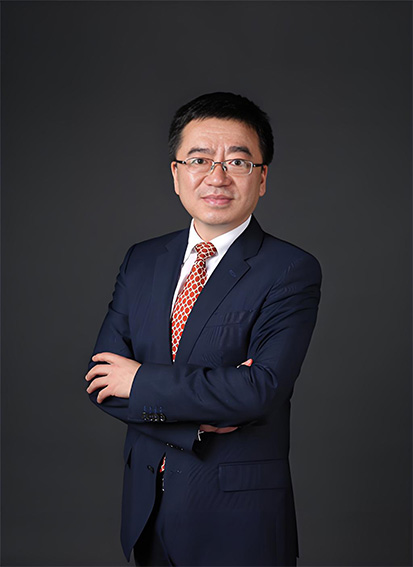
中国科学技术大学党委常委 副校长,中国科学技术大学生命科学与医学部党委书记,中国科学技术大学附属第一医院 (安徽省立医院)党委书记 ,中组部“万人计划”领军人才入选者,教育部长江学者特聘教授,科技部中青年科技创新领军人才 教育部新世纪优秀人才,科技部重大研发专项首席科学家 教育部创新团队发展计划首席科学家,国务院特殊津贴获得者 国家卫健委有突出贡献的中青年专家,中国医师协会外科医师分会副会长 中华医学会外科学分会委员,中国抗癌协会肝癌专业委员会候任主委,安徽省科学技术协会副主席 安徽省欧美同学会副会长,美国外科学院会员(FACS) 英国皇家外科学院会员(FRCS),国际肝胆胰协会委员(IHPBA) 国际腹腔镜肝切除委员会创始会员 (ILLS),国际肿瘤和消化外科医师委员会委员(IASGO)英国肝胆胰协会荣誉会员(GIHPBA),主持科技部重大研发专项和国家自然科学基金多项,第一完成人获得省部级一等奖4项,以通讯作者在Nature, Nature Cancer, Cancer Discovery, Cell Metabolism, Cell Discovery, Cell Reports, Gut, Journal of Hepatoloy, Hepatology, PNAS, Nature Communication, Cancer Research 等发表论文百余篇。
中国科学技术大学党委常委 副校长,中国科学技术大学生命科学与医学部党委书记,中国科学技术大学附属第一医院 (安徽省立医院)党委书记 ,中组部“万人计划”领军人才入选者,教育部长江学者特聘教授,科技部中青年科技创新领军人才 教育部新世纪优秀人才,科技部重大研发专项首席科学家 教育部创新团队发展计划首席科学家,国务院特殊津贴获得者 国家卫健委有突出贡献的中青年专家,中国医师协会外科医师分会副会长 中华医学会外科学分会委员,中国抗癌协会肝癌专业委员会候任主委,安徽省科学技术协会副主席 安徽省欧美同学会副会长,美国外科学院会员(FACS) 英国皇家外科学院会员(FRCS),国际肝胆胰协会委员(IHPBA) 国际腹腔镜肝切除委员会创始会员 (ILLS),国际肿瘤和消化外科医师委员会委员(IASGO)英国肝胆胰协会荣誉会员(GIHPBA),主持科技部重大研发专项和国家自然科学基金多项,第一完成人获得省部级一等奖4项,以通讯作者在Nature, Nature Cancer, Cancer Discovery, Cell Metabolism, Cell Discovery, Cell Reports, Gut, Journal of Hepatoloy, Hepatology, PNAS, Nature Communication, Cancer Research 等发表论文百余篇。
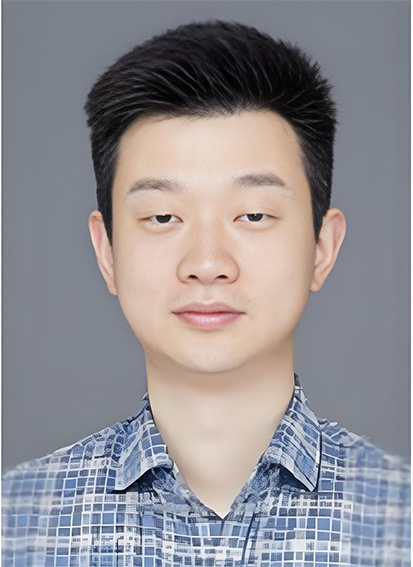
中国科学技术大学信息科学技术学院教授、附属第一医院神经外科特聘教授,先进技术研究院副院长(主持工作),长江学者特聘教授。研究方向为脑机接口和多模态图像分析,在领域高水平期刊发表论文一百余篇,谷歌学术引用一万余次,曾获IEEE/Elsevier/IOP国际期刊论文奖、达摩院青橙奖及国家优青,入选科睿唯安“全球高被引科学家”、全球前2%顶尖科学家终身科学影响力榜单,担任国家科技部重点专项总体组专家,中国生物医学工程学会理事、青年工作委员会副主委,中国人工智能学会脑机融合专委会副主委,担任IEEE TBME/TIM/SPL/OJSP等国际期刊副主编/编委。
Professor at the School of Information Science and Technology, University of Science and Technology of China (USTC), Distinguished Professor of Neurosurgery at the Affiliated First Hospital, and Executive Vice Dean of the Advanced Technology Institute. He holds the prestigious Changjiang Scholar Distinguished Professorship. His research focuses on brain-computer interfaces and multimodal image analysis, with over 100 publications in high-impact journals and more than 10,000 citations on Google Scholar. He has received several awards, including the IEEE/Elsevier/IOP International Journal Paper Award, the DAMO Academy Young Fellow Award, and the National Science Fund for Excellent Young Scholars. He has been recognized as a Highly Cited Researcher by Clarivate and listed in the global top 2% scientists by career-long citation impact. He serves as an expert on the National Key R&D Program of China, as a Council Member and Deputy Chair of the Youth Working Committee of the Chinese Society of Biomedical Engineering, and as Deputy Chair of the Brain-Computer Fusion Committee of the Chinese Association for Artificial Intelligence. Additionally, he holds editorial roles for several international journals, including IEEE TBME, TIM, SPL, and OJSP.
中国科学技术大学信息科学技术学院教授、附属第一医院神经外科特聘教授,先进技术研究院副院长(主持工作),长江学者特聘教授。研究方向为脑机接口和多模态图像分析,在领域高水平期刊发表论文一百余篇,谷歌学术引用一万余次,曾获IEEE/Elsevier/IOP国际期刊论文奖、达摩院青橙奖及国家优青,入选科睿唯安“全球高被引科学家”、全球前2%顶尖科学家终身科学影响力榜单,担任国家科技部重点专项总体组专家,中国生物医学工程学会理事、青年工作委员会副主委,中国人工智能学会脑机融合专委会副主委,担任IEEE TBME/TIM/SPL/OJSP等国际期刊副主编/编委。
Professor at the School of Information Science and Technology, University of Science and Technology of China (USTC), Distinguished Professor of Neurosurgery at the Affiliated First Hospital, and Executive Vice Dean of the Advanced Technology Institute. He holds the prestigious Changjiang Scholar Distinguished Professorship. His research focuses on brain-computer interfaces and multimodal image analysis, with over 100 publications in high-impact journals and more than 10,000 citations on Google Scholar. He has received several awards, including the IEEE/Elsevier/IOP International Journal Paper Award, the DAMO Academy Young Fellow Award, and the National Science Fund for Excellent Young Scholars. He has been recognized as a Highly Cited Researcher by Clarivate and listed in the global top 2% scientists by career-long citation impact. He serves as an expert on the National Key R&D Program of China, as a Council Member and Deputy Chair of the Youth Working Committee of the Chinese Society of Biomedical Engineering, and as Deputy Chair of the Brain-Computer Fusion Committee of the Chinese Association for Artificial Intelligence. Additionally, he holds editorial roles for several international journals, including IEEE TBME, TIM, SPL, and OJSP.
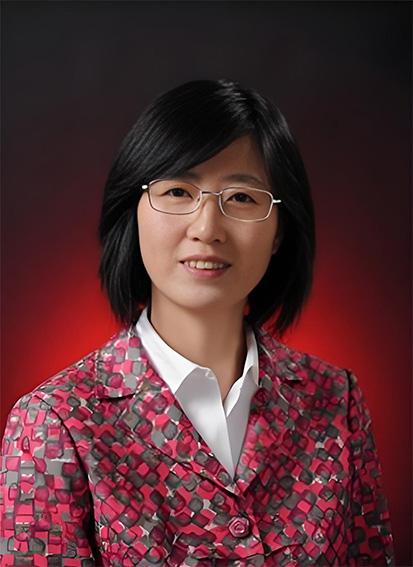
张颖伟,东北大学博士生导师,本科毕业于哈尔滨工业大学,硕士和博士毕业于东北大学。近十余年来,获得国家杰出青年科学基金,获聘教育部长江学者特聘教授,享受国务院政府特殊津贴、入选国家级百千万人才工程、获批国家自然基金委重点项目、科技部科技创新2030-“新一代人工智能”重大项目首席科学家,省兴辽英才计划科技创新团队,第十二届省政协委员。
Professor Zhang Yingwei is a doctoral supervisor at Northeastern University. She earned her bachelor’s degree from Harbin Institute of Technology and both her master’s and doctoral degrees from Northeastern University. Over the past decade, she has been recognized with numerous national honors, including the National Science Fund for Distinguished Young Scholars, appointment as a Cheung Kong Scholar Distinguished Professor by the Ministry of Education, and the Special Government Allowance of the State Council. She has been selected for the National Ten Thousand Talents Program, served as Principal Investigator of a Key Project of the National Natural Science Foundation of China, and acts as the Chief Scientist for the Ministry of Science and Technology’s “Science and Technology Innovation 2030 – New Generation Artificial Intelligence” major project. In addition, she leads a Science and Technology Innovation Team under the Liaoning Province Xingliao Talent Program and is a member of the 12th Provincial Committee of the Chinese People’s Political Consultative Conference (CPPCC).
张颖伟,东北大学博士生导师,本科毕业于哈尔滨工业大学,硕士和博士毕业于东北大学。近十余年来,获得国家杰出青年科学基金,获聘教育部长江学者特聘教授,享受国务院政府特殊津贴、入选国家级百千万人才工程、获批国家自然基金委重点项目、科技部科技创新2030-“新一代人工智能”重大项目首席科学家,省兴辽英才计划科技创新团队,第十二届省政协委员。
Professor Zhang Yingwei is a doctoral supervisor at Northeastern University. She earned her bachelor’s degree from Harbin Institute of Technology and both her master’s and doctoral degrees from Northeastern University. Over the past decade, she has been recognized with numerous national honors, including the National Science Fund for Distinguished Young Scholars, appointment as a Cheung Kong Scholar Distinguished Professor by the Ministry of Education, and the Special Government Allowance of the State Council. She has been selected for the National Ten Thousand Talents Program, served as Principal Investigator of a Key Project of the National Natural Science Foundation of China, and acts as the Chief Scientist for the Ministry of Science and Technology’s “Science and Technology Innovation 2030 – New Generation Artificial Intelligence” major project. In addition, she leads a Science and Technology Innovation Team under the Liaoning Province Xingliao Talent Program and is a member of the 12th Provincial Committee of the Chinese People’s Political Consultative Conference (CPPCC).
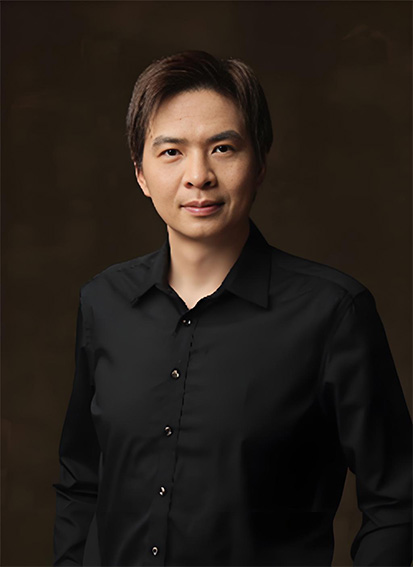
钱昆教授,教育部长江学者特聘教授,上海交通大学转化医学研究院副院长,曾任科技部国家重点研发计划项目负责人,上海高校特聘教授(东方学者),上海交通大学特聘教授、博导,中国实验医学杰出青年奖获得者,上海市青年五四奖章获得者,获得上海市技术发明一等奖、华夏医学奖、中华医学科技奖;上海市政协委员、浦东新区科技和经济委员会副主任。
Prof. Kun Qian is a Distinguished Changjiang Scholar of the Ministry of Education and Vice Dean of the Institute of Translational Medicine at Shanghai Jiao Tong University. He has served as Principal Investigator of the National Key R&D Program of China, Shanghai Distinguished Professor (Eastern Scholar), and Distinguished Professor and Ph.D. Supervisor at Shanghai Jiao Tong University. He is a recipient of the Outstanding Young Scientist Award of the Chinese Society of Laboratory Medicine and the Shanghai May Fourth Youth Medal, and has won the First Prize of the Shanghai Technological Invention Award, the Huaxia Medical Science and Technology Award, and the Chinese Medical Science and Technology Award. Prof. Qian is also a member of the Shanghai Committee of the Chinese People’s Political Consultative Conference (CPPCC) and Deputy Director of the Science and Economy Committee of Pudong New Area.
钱昆教授,长江学者特聘教授,上海交通大学转化医学研究院副院长,曾任科技部国家重点研发计划项目负责人,上海高校特聘教授(东方学者),上海交通大学特聘教授、博导,中国实验医学杰出青年奖获得者,上海市青年五四奖章获得者,获得上海市技术发明一等奖、华夏医学奖、中华医学科技奖;上海市政协委员、浦东新区科技和经济委员会副主任,作为主席等组织多个国际、国内学术大会;任肿瘤系统医学全国重点实验室PI、转化医学国家重大科技基础设施责任科学家、临床组学技术中心主任,负责建设多个大型国家研究中心和实验室,组建多个学术专业委员会。领导团队聚焦分子组学工程与转化医学应用,基于材料工程和机器学习共同推动岛链式组学中心,工作涵盖多组学界面设计、智能检测软硬件、生命系统重编程3个主要研究方向。
Prof. Kun Qian, Distinguished Changjiang Scholar and Vice Dean of the Institute of Translational Medicine at Shanghai Jiao Tong University, has led major national and regional research initiatives. He has served as Principal Investigator of a National Key R&D Program project under the Ministry of Science and Technology, Shanghai Distinguished Professor (Eastern Scholar), and Distinguished Professor at Shanghai Jiao Tong University. He has received numerous academic honors, including the Outstanding Young Scientist Award of the Chinese Society of Laboratory Medicine, the Shanghai May Fourth Youth Medal, the First Prize of the Shanghai Technological Invention Award, the Huaxia Medical Science and Technology Award, and the Chinese Medical Science and Technology Award. He serves as a member of the CPPCC Shanghai Committee and Deputy Director of the Science and Economy Committee of Pudong New Area, and has chaired multiple international and national academic conferences. Prof. Qian is Principal Investigator at the National Key Laboratory of Systems Medicine for Oncology, Chief Scientist of the National Major Scientific and Technological Infrastructure for Translational Medicine, and Director of the Clinical Omics Technology Center. He has overseen the development of several major national research centers and laboratories and has organized multiple professional academic committees. His research team focuses on molecular omics engineering and translational medicine applications, integrating materials engineering and machine learning to advance “archipelago-style” omics centers. Their research spans three core directions: multi-omics interface design, intelligent diagnostic hardware and software systems, and life system reprogramming.


