

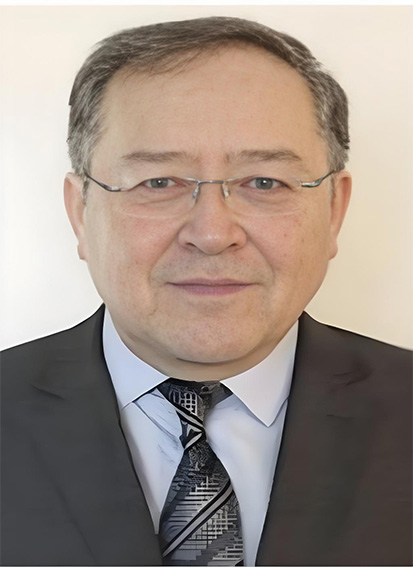
Sabyrzhan Atanov,哈萨克斯坦阿斯塔纳古米廖夫欧亚国立大学计算机科学系教授,主持多项哈萨克斯坦共和国教育和科学部资助项目,包括“人工智能机器人系统设计”及国际科技项目“开发确保航天器控制稳定性的神经网络系统”。其研究聚焦于人工智能系统设计及微控制器嵌入式系统的设计与编程。
Sabyrzhan Atanov, Professor at the Department of Computer Science, L.N. Gumilyov Eurasian National University, Astana, Kazakhstan. He leads multiple projects funded by the Ministry of Education and Science of the Republic of Kazakhstan, including “Design of Artificial Intelligence Robot Systems” and the international scientific project “Development of Neural Network Systems Ensuring Stability in Spacecraft Control.” His research focuses on the design of artificial intelligence systems and the design and programming of microcontroller-based embedded systems.
Sabyrzhan Atanov ,于 1979 年毕业于莫斯科通信与信息技术大学(Moscow Technical University of Communications and Informatics),主修空间无线电通信。1989 年,在莫斯科动力工程学院(Moscow Power Engineering Institute)获得技术科学候选人学位(Candidate of Technical Sciences,苏联体系下的副博士学位),研究方向为使用有限元方法的机电场计算软件。2010 年,他在哈萨克斯坦的学术体系中进一步获得技术科学博士学位(Doctor of Technical Sciences),专注于计算机、复合体及计算机网络的数学与软件支持。现任哈萨克斯坦阿斯塔纳古米廖夫欧亚国立大学计算机科学系教授,主持多项哈萨克斯坦共和国教育和科学部资助项目,包括“人工智能机器人系统设计”及国际科技项目“开发确保航天器控制稳定性的神经网络系统”。其研究聚焦于人工智能系统设计及微控制器嵌入式系统的设计与编程。
Sabyrzhan Atanov is a doctor of technical sciences, a professor at the department of computer science of the L.N. Gumilyov Eurasian National University, Astana, Kazakhstan, head of a number of projects under the grant of the Ministry of Education and Science of the Republic of Kazakhstan, including “design of robotic systems with artificial intelligence”, the international scientific and technical project “development of a neural network system for ensuring the stability of spacecraft control”. His research is focused on system design with artificial intelligence and design and programming of microcontroller embedded systems. Sabyrzhan Atanov has a strong academic foundation with a Doctorate in Technical Sciences (2010), specializing in Mathematical and Software Support for Computing Machines, Complexes, and Computer Networks. He earned his Candidate of Technical Sciences degree (1989) from Moscow Power Engineering Institute, focusing on software for electromechanical field calculations using the finite element method. His undergraduate studies (1979) were completed at Moscow Technical University of Communications and Informatics, specializing in space radio communications. Sabyrzhan Atanov is a doctor of technical sciences, a professor at the department of computer science of the L.N. Gumilyov Eurasian National University, Astana, Kazakhstan, head of a number of projects under the grant of the Ministry of Education and Science of the Republic of Kazakhstan, including “design of robotic systems with artificial intelligence”, the international scientific and technical project “development of a neural network system for ensuring the stability of spacecraft control”. His research is focused on system design with artificial intelligence and design and programming of microcontroller embedded systems.
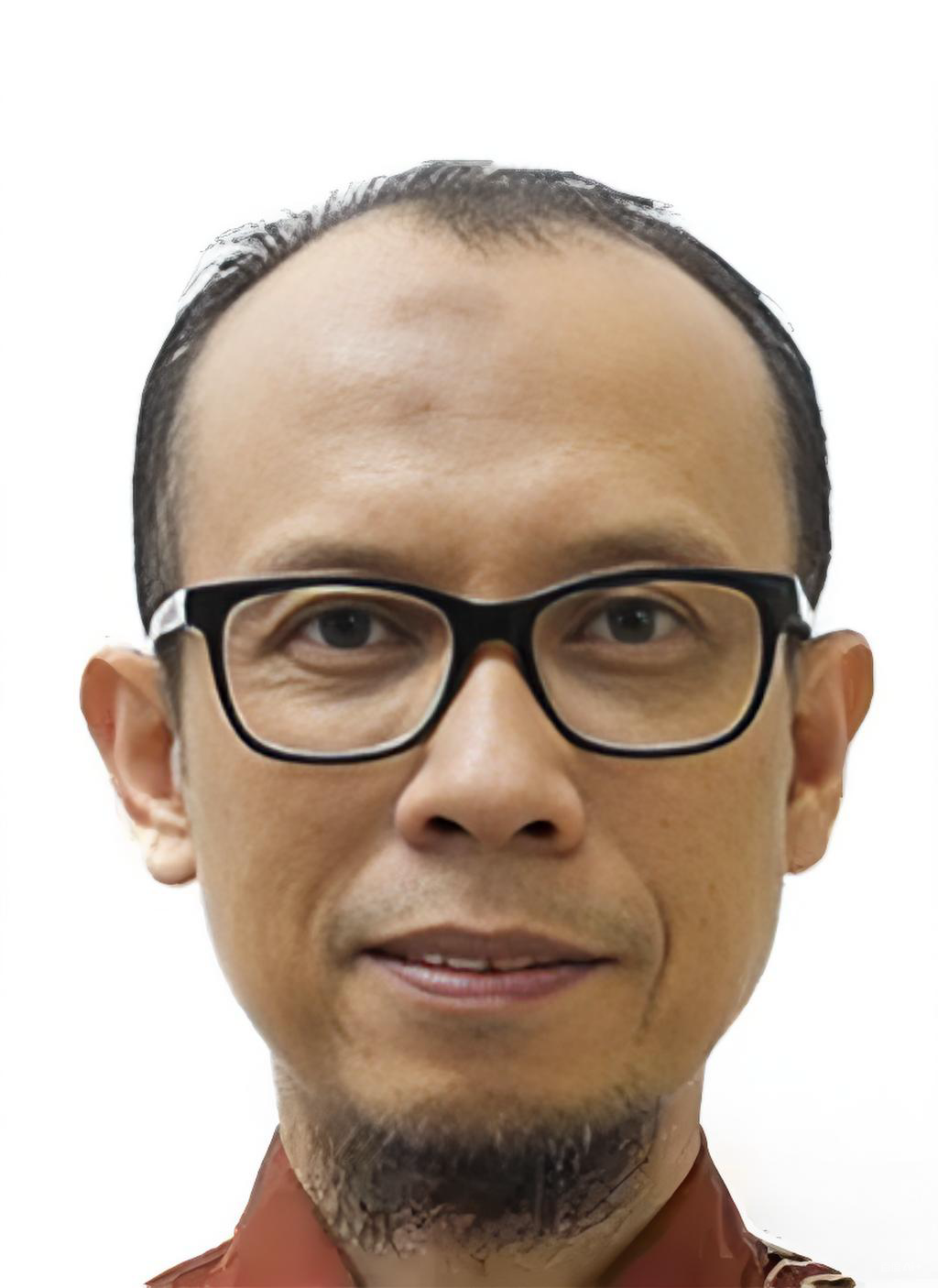
Heru Suhartanto 于1986年在印度尼西亚大学数学系完成本科学习,1990年获得加拿大多伦多大学计算机科学硕士学位,1998年在澳大利亚昆士兰大学数学系获得博士学位,博士期间致力于研究Radau型并行迭代多步龙格-库塔方法的开发。1998年至2000年在昆士兰大学担任博士后研究员。获得了澳大利亚昆士兰大学信息技术与电气工程学院荣誉教授、捷克帕尔杜比采大学电气工程与信息学院外籍专家及人员交流计划(伊拉斯谟基金资助)、 2010年昆士兰大学印度尼西亚校友奖、2008年印度尼西亚大学最佳研究员奖等系列殊荣。
Heru Suhartanto completed his undergraduate studies in the Department of Mathematics, Universitas Indonesia, in 1986. He obtained his M.Sc. degree from the Department of Computer Science, University of Toronto, Canada, in 1990. He earned his Ph.D. from the Department of Mathematics, University of Queensland, Australia, in 1998, working on the development of a Parallel Iterated Multistep Runge-Kutta method of the Radau type. He has received several academic awards and recognitions, including: Honorary Professor, School of ITEE, The University of Queensland, Australia; Foreign Expert and Staff Mobility Program, Faculty of Electrical Engineering and Informatics, University of Pardubice, Czech Republic (Erasmus Fund); 2010 University of Queensland Indonesia Alumni Award; Postdoctoral Fellowship, The University of Queensland in 1998 to 2000; 2008 Universitas Indonesia Best Researcher Award.
Heru Suhartanto 于1986年在印度尼西亚大学数学系完成本科学习,1990年获得加拿大多伦多大学计算机科学硕士学位,1998年在澳大利亚昆士兰大学数学系获得博士学位,博士期间致力于研究Radau型并行迭代多步龙格-库塔方法的开发。1998年至2000年在昆士兰大学担任博士后研究员。获得了澳大利亚昆士兰大学信息技术与电气工程学院荣誉教授、捷克帕尔杜比采大学电气工程与信息学院外籍专家及人员交流计划(伊拉斯谟基金资助)、 2010年昆士兰大学印度尼西亚校友奖、2008年印度尼西亚大学最佳研究员奖等系列殊荣。其曾参与多项国际科研合作项目,包括:英国工程与物理科学研究理事会全球挑战研究基金资助、兰卡斯特大学牵头的“通过运筹学提升自然灾害应对的韧性应急准备”项目(共同研究员,首席研究员:Konstantinos G. Zografos教授)、与捷克帕尔杜比采大学电气工程与信息学院合作的2014年及2018年伊拉斯谟基金、与澳大利亚昆士兰大学信息技术与电气工程学院Lie Xue副教授及英国剑桥大学与昆士兰理工大学Kevin Burrage教授合作的印度尼西亚高等教育研究技术基金资助以及多项国家级科研基金项目。其研究方向涵盖高性能计算、数值计算及人工智能在健康科学与服务领域的应用。在组织服务方面,于2010年至2024年担任印度尼西亚大学学术 Senate成员,期间多次担任主席职务;同期兼任印度尼西亚大学教授理事会成员,并历任多项领导职务。目前,他是印度尼西亚大学校务委员会成员,负责2024-2029学年校长遴选与评议工作。自2015年起,他担任PRAGMA指导委员会成员,积极主持多项国际会议,并长期担任国际期刊与会议的审稿人。
Heru Suhartanto completed his undergraduate studies in the Department of Mathematics, Universitas Indonesia, in 1986. He obtained his M.Sc. degree from the Department of Computer Science, University of Toronto, Canada, in 1990. He earned his Ph.D. from the Department of Mathematics, University of Queensland, Australia, in 1998, working on the development of a Parallel Iterated Multistep Runge-Kutta method of the Radau type. He has received several academic awards and recognitions, including: Honorary Professor, School of ITEE, The University of Queensland, Australia; Foreign Expert and Staff Mobility Program, Faculty of Electrical Engineering and Informatics, University of Pardubice, Czech Republic (Erasmus Fund); 2010 University of Queensland Indonesia Alumni Award; Postdoctoral Fellowship, The University of Queensland in 1998 to 2000; 2008 Universitas Indonesia Best Researcher Award. He has also participated in several international research collaborations, including: Resilient Emergency Preparedness for Natural Disaster Response through Operational Research (Co-Investigator; PI: Prof. Konstantinos G. Zografos), Lancaster University, funded by EPSRC GCRF, United Kingdom; Faculty of Electrical Engineering and Informatics, University of Pardubice, Czech Republic (Erasmus Fund, 2014 and 2018); Collaborations with A/Prof. Xue Lie, ITEE–University of Queensland, Australia; and Prof. Kevin Burrage, QUT–Cambridge University, UK, funded by PUPT Dikti; Several national research grants. His research interests include high performance computing, numerical computation, and artificial intelligence for solving problems in health sciences and services. In terms of organizational service, he served as a member of the Universitas Indonesia Academic Senate from 2010 to 2024, holding several chair positions during this period. He was also a member of the UI Professor Council (2010–2024), again holding various leadership roles. Currently, he is a member of the Universitas Indonesia Board of Trustees, the body responsible for selecting and reviewing the Rector (President) of UI for the 2024–2029 term. Since 2015, he has served on the PRAGMA Steering Committee (pragma-grid.net) and has actively chaired several international meetings, as well as being reviewer of some international journals and conferences.
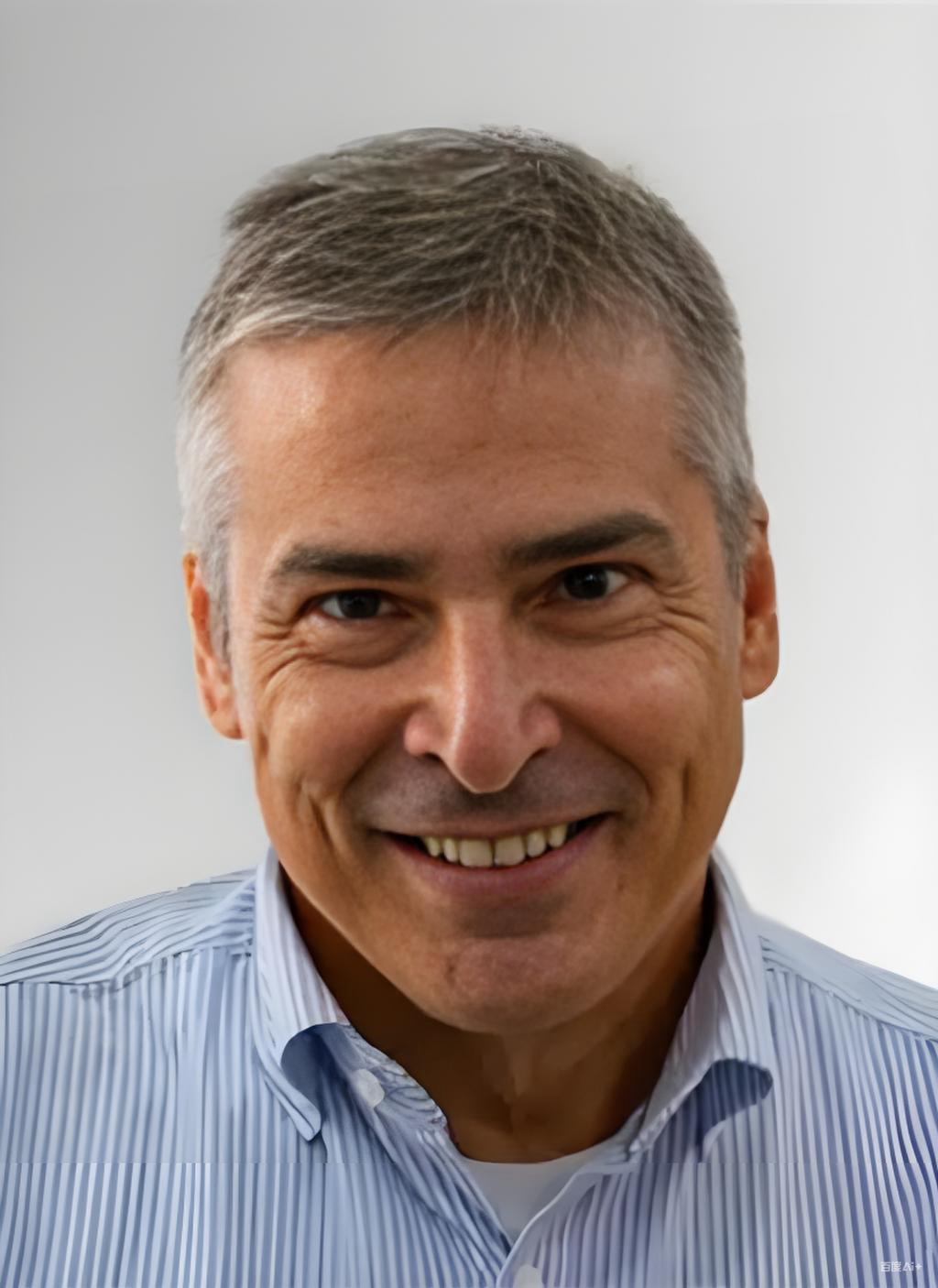
André Carlos Ponce Leon Ferreira Carvalho教授,巴西科学院院士,巴西圣保罗大学数学与计算机科学研究所的终身正教授,并担任现任所长。他同时兼任巴西应用人工智能研究中心IARA(智能环境研究中心)主任、国家社会公益人工智能科学与技术研究所协调员,以及圣保罗大学数学与计算机科学研究所Embrapii数据科学创新单元负责人。
André Carlos Ponce Leon Ferreira Carvalho, a member of the Brazilian Academy of Sciences, is Full Professor and the current Dean of the Institute of Mathematics and Computer Science, University of São Paulo (ICMC-USP), Brazil. He is also Director of the Brazilian Applied AI Research Centre IARA (Research Centre for Smart Environments), Coordinator of the National Institute of Science and Technology AI for Social Good and of the Embrapii Innovation Unit in Data Science at ICMC-USP.
André Carlos Ponce Leon Ferreira Carvalho教授,巴西科学院院士,巴西圣保罗大学数学与计算机科学研究所的终身正教授,并担任现任所长。他同时兼任巴西应用人工智能研究中心IARA(智能环境研究中心)主任、国家社会公益人工智能科学与技术研究所协调员,以及圣保罗大学数学与计算机科学研究所Embrapii数据科学创新单元负责人。其在多个重要学术机构任职:巴西国家科学与技术发展委员会计算机科学咨询委员会委员、国际政府科学顾问网络拉丁美洲及加勒比地区分会指导委员会委员、国际信息处理联合会人工智能技术委员会委员(兼任机器学习与数据挖掘工作组主席),以及国际人工智能安全报告专家咨询组成员。他曾任加拿大圭尔夫大学副教授,并曾作为访问研究员在葡萄牙波尔图大学、英国艾伦·图灵研究所开展研究,担任英国肯特大学客座教授。2019年至2023年期间,他连续两届担任巴西计算机学会副主席。
André Carlos Ponce Leon Ferreira Carvalho, a member of the Brazilian Academy of Sciences, is Full Professor and the current Dean of the Institute of Mathematics and Computer Science, University of São Paulo (ICMC-USP), Brazil. He is also Director of the Brazilian Applied AI Research Centre IARA (Research Centre for Smart Environments), Coordinator of the National Institute of Science and Technology AI for Social Good and of the Embrapii Innovation Unit in Data Science at ICMC-USP. He is a member of the Computer Science Advisory Committee of the Brazilian National Council for Scientific and Technological Development (CNPq), of the Steering Committee of the International Network for Government Science Advice (INGSA) Latin American and Caribbean Chapter, of the International Federation for Information Processing (IFIP) Technical Committee on Artificial Intelligence (AI), where he is the Chair of the Working Group Machine Learning and Data Mining, and of the Expert Advisory Panel of the International AI Safety Report. He was Associate Professor in the University of Guelph, Canada and visiting researcher in the University of Porto, Portugal and in the Alan Turing Institute, UK, and visiting professor in the University of Kent, UK, and Vice President of the Brazilian Computer Society (SBC) for two terms, 2019-2021 and 2021-2023.
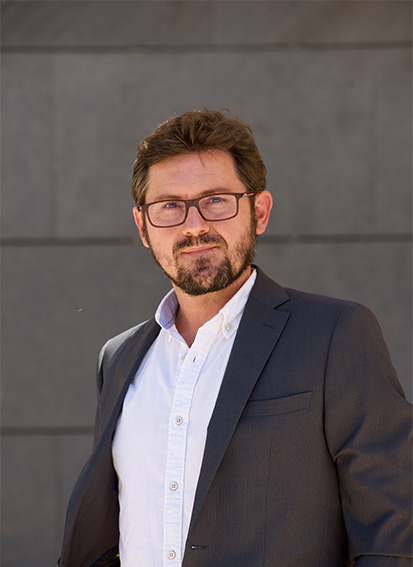
Alexandre Perera i Lluna教授是物理学家和电气工程师,拥有物理学博士学位,现任加泰罗尼亚理工大学全职正教授,并担任生物信息学与生物医学信号实验室(b2slab.upc.edu)主任。他的研究方向为临床数据与生物信息学领域的应用数据科学方法。目前,他担任加泰罗尼亚理工大学健康研究与创新研究所所长(iris.upc.edu // creb.upc.edu),同时领导加泰罗尼亚健康技术网络XarTEC Salut (xartecsalut.com),致力于促进技术转移。此外,他也是三家衍生公司的联合创始人。
Alexandre Perera i Lluna is a physicist and electrical engineer with a PhD in Physics, Full Professor at the Universitat Politècnica de Catalunya (UPC), and Coordinator of the b2slab - Bioinformatics and Biomedical Signals Laboratory (b2slab.upc.edu). He is a researcher in applied data science methods for clinical data and bioinformatics, and serves as current Director of the Institute for Research and Innovation in Health IRIS | UPC—formerly CREB (iris.upc.edu // creb.upc.edu). He is also leading the Catalan health-tech network XarTEC Salut (xartecsalut.com) for technology transfer promotion. He has been co-founder of three spin-off companies.
Alexandre Perera i Lluna教授是物理学家和电气工程师,拥有物理学博士学位,现任加泰罗尼亚理工大学全职正教授,并担任生物信息学与生物医学信号实验室(b2slab.upc.edu)主任。他的研究方向为临床数据与生物信息学领域的应用数据科学方法。目前,他担任加泰罗尼亚理工大学健康研究与创新研究所所长(iris.upc.edu // creb.upc.edu),同时领导加泰罗尼亚健康技术网络XarTEC Salut (xartecsalut.com),致力于促进技术转移。此外,他也是三家衍生公司的联合创始人。
Alexandre Perera i Lluna is a physicist and electrical engineer with a PhD in Physics, Full Professor at the Universitat Politècnica de Catalunya (UPC), and Coordinator of the b2slab - Bioinformatics and Biomedical Signals Laboratory (b2slab.upc.edu). He is a researcher in applied data science methods for clinical data and bioinformatics, and serves as current Director of the Institute for Research and Innovation in Health IRIS | UPC—formerly CREB (iris.upc.edu // creb.upc.edu). He is also leading the Catalan health-tech network XarTEC Salut (xartecsalut.com) for technology transfer promotion. He has been co-founder of three spin-off companies.
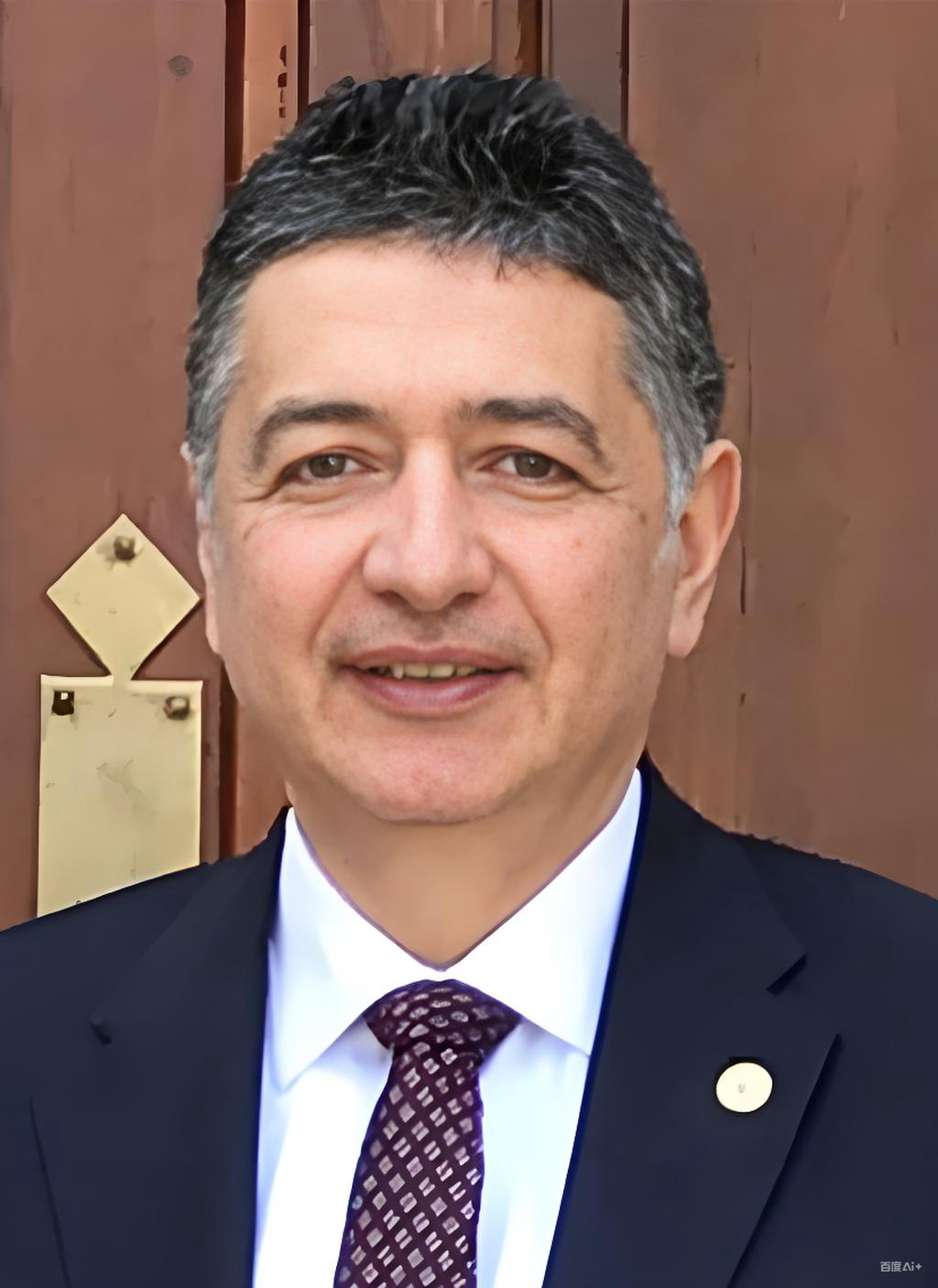
Mehmed Özkan教授,土耳其科学院核心院士,曾任土耳其伊斯坦布尔海峡大学校长((2016-2021)),现任海峡大学生物医学工程学院生物医学电子学部主任。他在教学与科研中聚焦生物医学电子学、医学影像、神经网络及机器人手术领域,致力于工程学与医学的跨学科融合。Özkan教授于1986年获海峡大学电气与电子工程学士学位,1988年在美国范德比尔特大学取得智能机器人硕士学位,1991年获该校电气工程博士学位。博士期间,他在范德比尔特大学医学中心神经外科系从事机器人手术与基于神经网络的医学影像分割研究,为"光子刀项目"及其他影像引导神经外科应用做出贡献。1992至1995年,Özkan教授就职于东京普利司通公司新业务开发部,专注于机电系统的机器人控制与人工智能技术研发。1995年他返回土耳其加入海峡大学生物医学工程学院,长期从事生物医学仪器、电子电路、神经网络及磁共振成像原理的教学研究,并指导大量硕博论文。
Professor Mehmed Özkan, Principal Member of the Turkish Academy of Sciences (TÜBA), is a faculty member at Boğaziçi University in Istanbul, where he currently serves as Chair of the Biomedical Electronics Division at the Institute of Biomedical Engineering. His academic and research work focuses on biomedical electronics, medical imaging, neural networks, and robotic surgery, integrating engineering and medical sciences in both education and research. Professor Özkan received his Ph.D. in Electrical Engineering from Vanderbilt University (Nashville, USA) in 1991, after completing a Master’s Degree in Intelligent Robotics in 1988. He earned his Bachelor’s Degree in Electrical and Electronics Engineering from Boğaziçi University in 1986. During his doctoral studies, he conducted research at Vanderbilt’s Department of Neurological Surgery at VUMC on robotic surgery and neural-network-based segmentation of medical images, contributing to the Photon Knife Project and other image-guided neurosurgical applications. From 1992 to 1995, Professor Özkan worked at Bridgestone Corporation in Tokyo in the New Business Development Department, where he focused on robot control and artificial intelligence methods for mechatronic systems. He returned to Turkey in 1995 to join the Institute of Biomedical Engineering at Boğaziçi University. Since then, he has been active in teaching and research in biomedical instrumentation, electronic circuits, neural networks, and magnetic resonance imaging principles, while supervising numerous graduate and doctoral theses.
Mehmed Özkan教授,土耳其科学院核心院士,曾任土耳其伊斯坦布尔海峡大学校长((2016-2021)),现任海峡大学生物医学工程学院生物医学电子学部主任。他在教学与科研中聚焦生物医学电子学、医学影像、神经网络及机器人手术领域,致力于工程学与医学的跨学科融合。Özkan教授于1986年获海峡大学电气与电子工程学士学位,1988年在美国范德比尔特大学取得智能机器人硕士学位,1991年获该校电气工程博士学位。博士期间,他在范德比尔特大学医学中心神经外科系从事机器人手术与基于神经网络的医学影像分割研究,为"光子刀项目"及其他影像引导神经外科应用做出贡献。1992至1995年,Özkan教授就职于东京普利司通公司新业务开发部,专注于机电系统的机器人控制与人工智能技术研发。1995年他返回土耳其加入海峡大学生物医学工程学院,长期从事生物医学仪器、电子电路、神经网络及磁共振成像原理的教学研究,并指导大量硕博论文。他曾担任学院副院长11年,推动跨学科教育与研究体系建设。
在海峡大学任职期间,他历任校长顾问(2012-2016)、科研与产业关系副校长(2016)及校长(2016-2021),期间创立并主持多个大学科技开发区,促进产学研融合与研究成果转化。他在IEEE Transactions on Medical Imaging, Neural Networks, IEEE Transactions on Neural Systems and Rehabilitation Engineering, and Biomedical Signal Processing and Control等国际期刊发表多篇论文,研究内容涵盖医学影像分析的神经网络建模、生物力学系统设计、神经矫形应用及基于人工智能的机器人控制。
Özkan教授长期担任欧盟委员会"框架计划"与"地平线计划"认知系统与机器人领域项目评审专家(2013-2024),参与多项土耳其科研究理事会与欧盟资助项目,包括"智能手术机器人"与"认知控制仿生人手"研究。作为土耳其科学院核心院士及"欧洲脑科学与技术大学联盟"创始签署人,他持续推动神经科技领域发展。其学术兼职包括IEEE、Tau Beta Pi工程荣誉学会、范德比尔特大学校友会及海峡大学校友会成员,曾获海峡大学学术成就与出版奖项。目前他继续在海峡大学从事生物医学电子学、神经网络与医学影像系统的教学科研工作。
Professor Mehmed Özkan, Principal Member of the Turkish Academy of Sciences (TÜBA), is a faculty member at Boğaziçi University in Istanbul, where he currently serves as Chair of the Biomedical Electronics Division at the Institute of Biomedical Engineering. His academic and research work focuses on biomedical electronics, medical imaging, neural networks, and robotic surgery, integrating engineering and medical sciences in both education and research. Professor Özkan received his Ph.D. in Electrical Engineering from Vanderbilt University (Nashville, USA) in 1991, after completing a Master’s Degree in Intelligent Robotics in 1988. He earned his Bachelor’s Degree in Electrical and Electronics Engineering from Boğaziçi University in 1986. During his doctoral studies, he conducted research at Vanderbilt’s Department of Neurological Surgery at VUMC on robotic surgery and neural-network-based segmentation of medical images, contributing to the Photon Knife Project and other image-guided neurosurgical applications. From 1992 to 1995, Professor Özkan worked at Bridgestone Corporation in Tokyo in the New Business Development Department, where he focused on robot control and artificial intelligence methods for mechatronic systems. He returned to Turkey in 1995 to join the Institute of Biomedical Engineering at Boğaziçi University. Since then, he has been active in teaching and research in biomedical instrumentation, electronic circuits, neural networks, and magnetic resonance imaging principles, while supervising numerous graduate and doctoral theses.
At Boğaziçi University, Professor Özkan held several administrative positions, including Advisor to the Rector (2012–2016), Vice Rector for Research and Industrial Relations (2016), and Rector (2016–2021). During this period, he also established and chaired several Technology Development Zones of Boğaziçi University, promoting collaboration between academia and industry and supporting the translation of research into innovation. He has authored and co-authored numerous articles in international journals such as IEEE Transactions on Medical Imaging, Neural Networks, IEEE Transactions on Neural Systems and Rehabilitation Engineering, and Biomedical Signal Processing and Control. His research publications cover neural network modeling for medical image analysis, biomechanical system design, and neuro-orthotic applications and AI based robot control.
Professor Özkan has served as an evaluator for the European Commission’s Framework and Horizon programs on Cognitive Systems and Robotics (2013–2024) and has participated in projects supported by TÜBİTAK and the European Union, including Intelligent Surgical Robotics and Cognitive Controlled Anthropomorphic Prosthetic Hand. He is a Principal Member of the Turkish Academy of Sciences (TÜBA) and a founding signatory of NeurotechEU — The European University of Brain and Technology. His memberships include IEEE, Tau Beta Pi Engineering Honor Society, the Vanderbilt University Alumni Association, and the Boğaziçi University Alumni Association. He has received academic achievement and publication awards from Boğaziçi University. Professor Özkan continues his teaching and research at Boğaziçi University, focusing on biomedical electronics, neural networks, and medical imaging systems.


